Inheriting a House in Illinois: The Complete Guide
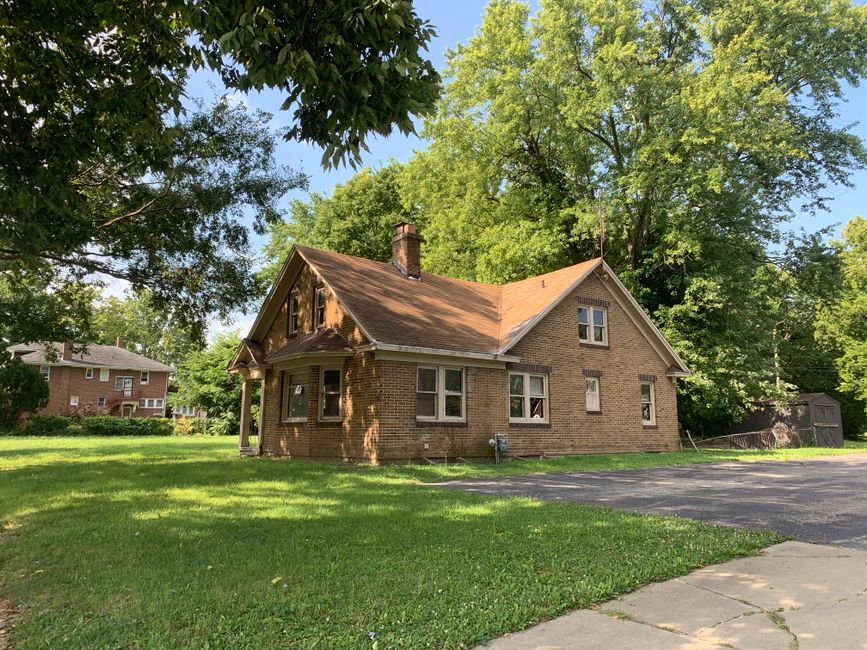
You Just Inherited a House in Illinois — Here's Where to Start
Losing someone you love is hard enough. Discovering that you've also inherited a house — often from hundreds of miles away — can feel completely overwhelming. If you're an heir or executor trying to make sense of what comes next, this guide is written specifically for you.
Inheriting a house in Illinois involves a combination of legal steps, financial considerations, and deeply personal decisions. Understanding the process from the beginning can save you time, money, and unnecessary stress. Let's walk through it together.
Understanding Illinois Probate: The Legal Foundation
In most cases, an inherited property in Illinois must pass through a court-supervised process called probate before ownership can be transferred to the heirs. Probate is governed by the Illinois Probate Act of 1975 (755 ILCS 5), which outlines how a deceased person's estate is inventoried, debts are paid, and assets are distributed.
If the property is located in Chicago or the surrounding area, probate proceedings are typically filed with the Cook County Circuit Court's Probate Division, located at the Richard J. Daley Center. Other collar counties — DuPage, Lake, Will, Kane, and McHenry — each have their own Circuit Court probate divisions.
What Happens During Probate?
- The will (if one exists) is submitted to the court for validation.
- An executor (named in the will) or an administrator (appointed by the court) is authorized to act on behalf of the estate.
- The court issues Letters of Office, the official document that gives the executor legal authority to manage estate assets, including real property.
- The estate's debts and final expenses are paid from estate assets.
- Remaining assets — including the inherited house — are distributed to heirs according to the will or, if no will exists, under Illinois intestacy laws.
Formal probate in Illinois generally takes nine to twelve months, though complex estates or title disputes can extend that timeline. The executor has a legal duty to act in the best interests of all heirs throughout this process.
When Probate May Not Be Required
Not every inherited property in Illinois has to go through full probate. There are a few important exceptions worth knowing about.
Small Estate Affidavit
If the total value of the estate's personal property (not including real estate) is $100,000 or less, heirs may be able to use a small estate affidavit to collect certain assets without opening a formal probate case. However, this process generally does not apply to real property — if there is a house involved, a formal probate proceeding or an alternative transfer method is usually required.
Joint Tenancy and Beneficiary Designations
If the deceased owned the property in joint tenancy with right of survivorship, ownership passes automatically to the surviving joint tenant without probate. Similarly, some properties are held in a living trust, which allows the trustee to transfer the property to beneficiaries privately and without court involvement. An Illinois attorney can confirm how title was held — we strongly encourage you to consult one early in the process.
The Stepped-Up Cost Basis: A Key Tax Concept
One of the most important financial aspects of inheriting a house in Illinois is understanding the IRS stepped-up cost basis rule. When you inherit a property, the tax basis is generally "stepped up" to the fair market value of the home on the date of the decedent's death — not the original purchase price.
This means that if you later sell the property, capital gains taxes are calculated only on any appreciation that occurred after the date of inheritance, not over the entire history of ownership. This can significantly reduce a potential tax burden. That said, every estate situation is unique — please consult a qualified tax professional before making any decisions. We are not a law firm and do not provide legal or tax advice.
Your Options After Inheriting a House in Illinois
Once the estate is settled and the deed has been transferred into your name (or the names of all heirs), you'll face an important decision. There is no single right answer — the best path depends on your family's needs, financial situation, and the condition of the property.
Option 1: Keep the Property
Some heirs choose to move into the inherited home or hold it as a long-term investment. If the property is in good condition and carries no significant debt, this can be a meaningful and financially sound choice. Keep in mind that you'll be responsible for property taxes, homeowner's insurance, and ongoing maintenance from the time the estate closes.
Option 2: Rent the Property
Converting an inherited property into a rental can generate consistent income. However, becoming a landlord also comes with responsibilities — tenant management, property upkeep, and Illinois landlord-tenant law compliance. If you're an out-of-state heir, managing a rental remotely adds another layer of complexity.
Option 3: Sell the Property
Many families ultimately choose to sell an inherited house, whether to settle the estate, divide proceeds among multiple heirs, or simply to avoid the burden of maintaining a property from afar. Selling through the traditional real estate market — with a licensed Illinois real estate agent — is one common path. There are also estate-focused real estate professionals who specialize in coordinating estate transitions and can help navigate the specific title, timing, and family dynamics that come with inherited properties.
Whatever direction feels right for your family, having the right coordinated support around you makes all the difference.
Steps to Take Right Away
If you've just learned you're inheriting a house in Illinois, here is a practical checklist to help you get organized:
- Secure the property. Change the locks, check for utilities left running, and make sure the home is properly insured. Vacant property coverage may be needed if no one is living there.
- Locate the will and deed. These documents are essential for the probate process and for understanding how title is held.
- Consult a probate attorney. An Illinois-licensed attorney can review the estate documents and advise you on whether formal probate is required and how to proceed.
- Obtain a property valuation. A professional appraisal or comparative market analysis will establish the stepped-up basis value and help inform your decision-making.
- Communicate with all heirs. If there are multiple beneficiaries, early and transparent communication can prevent conflict and delays later.
- Understand the carrying costs. Property taxes, utilities, insurance, and any existing mortgage payments don't pause during probate. Budget accordingly.
- Explore your options before deciding. There is no need to rush. Take the time to understand all paths before committing to one.
Frequently Asked Questions
How long does it take to inherit a house in Illinois?
The timeline depends on how the property was titled and whether the estate requires formal probate. If probate is required under the Illinois Probate Act of 1975, the process typically takes nine to twelve months from the time the case is opened at the Circuit Court. Estates with a living trust or joint tenancy arrangement can transfer ownership much more quickly — sometimes within weeks. An Illinois probate attorney can give you a realistic timeline based on your specific situation.
Do I have to pay taxes when I inherit a house in Illinois?
Illinois does not have an inheritance tax, but it does have an estate tax on estates valued above $4 million. At the federal level, the stepped-up cost basis rule generally means that capital gains taxes — if you sell — are calculated only on appreciation after the date of death, which can substantially reduce your tax exposure. Every situation is different, and we strongly encourage you to speak with a certified public accountant or tax attorney before making any decisions. We are not a law firm and this is not tax advice.
What if there are multiple heirs and we can't agree on what to do with the house?
Disagreements among heirs are more common than most people expect, especially when siblings or extended family members have different financial needs or emotional attachments to the property. In Illinois, if co-owners cannot reach an agreement, any heir can petition the court for a partition action, which can result in a court-ordered sale of the property. The better path, whenever possible, is open family communication and professional mediation. A compassionate estate transition specialist can often help families find common ground before disputes reach the courtroom.
How Sell My Inherited Home Can Help
At Sell My Inherited Home (Probate Professionals of America, LLC), we specialize in helping families navigate the full arc of an inherited property in Illinois — from the first phone call after a loss to a confident, well-informed final decision. We coordinate with attorneys, appraisers, and real estate professionals to make sure you have the right people around you at every stage of your estate transition.
Whether you're just starting to figure out what probate means or you're ready to talk about your options for the property, we're here to listen — with no pressure, no jargon, and no rush.
Reach out to our team today for a free, compassionate conversation about your family's situation. You don't have to figure this out alone.
Disclaimer: Sell My Inherited Home (Probate Professionals of America, LLC) is not a law firm and does not provide legal, tax, or financial advice. The information in this article is intended for general educational purposes only. Please consult a licensed Illinois attorney and a qualified tax professional regarding your specific estate situation.
Guides in this series
- Independent Administration Illinois Probate: Your Options Explained
- Is a Property in Probate in Illinois? Here's How to Find Out
- Sibling Disputes Over an Inherited House: How to Resolve Them
- Inherited House Needs Repairs? Your Options Explained
- Inherited Rental Property in Illinois: Keep It or Sell It?
- Inherited Hoarder House: A Calm Step-by-Step Guide
- Step-Up Basis on an Inherited Home: What Heirs Need to Know
- Small Estate Affidavit Illinois: A Clear Guide for Heirs
- Medicaid Estate Recovery Illinois: What Heirs Need to Know
- How to Sell an Inherited House Without a Realtor in Illinois
- Collar County Probate Court Illinois: What to Expect
- Inherit a House With No Will in Illinois: What to Know
- How to Transfer a Deed After Inheriting a House in Illinois
- What to Do With Parents' House in Kane County, Illinois
- Estate Sale or Keep It? What to Do With Inherited House Contents
- Cleaning Out Your Parents' House After Death: A Gentle Guide
- Executor Duties in an Illinois Estate: A Clear Guide
- Taxes on Selling an Inherited Home in Illinois
- Inherited a House With a Mortgage: What You Need to Know
- Cook County Probate Process: A Simple Step-by-Step Guide
- Inherited a House in Illinois? Here's What to Do Next
- Keep, Rent, or Sell Inherited Property: Your Guide
- How Long Does Probate Take in Illinois? A Clear Guide
- Multiple Heirs, One House: How to Decide Together
- Out of State Inherited Property: A Step-by-Step Guide
- Selling an Inherited House in Illinois: Your Options
- Selling an Inherited House in Kane County, IL: A Guide
- Probate in Kane County, Illinois: A Plain Guide
- Selling an Inherited House in Lake County, IL: A Guide
- What to Do With Parents' House in Lake County, Illinois
- Probate in Lake County Illinois: A Plain-English Guide
- What to Do With Your Parents' House in Will County, IL
- Selling an Inherited House in Will County: A Calm Guide
- Probate in Will County, Illinois: A Plain Guide
- What to Do With a Parent's House in DuPage County, IL
- Selling an Inherited House in DuPage County: A Guide
- Probate in DuPage County, Illinois: A Plain Guide
- What to Do With Parents' House in Cook County, Illinois
- Selling an Inherited House in Cook County: A Plain Guide
- Probate in Cook County, Illinois: A Plain-English Guide