Selling an Inherited House in Will County: A Calm Guide
📘 Part of Inheriting a House in Illinois: The Complete Guide
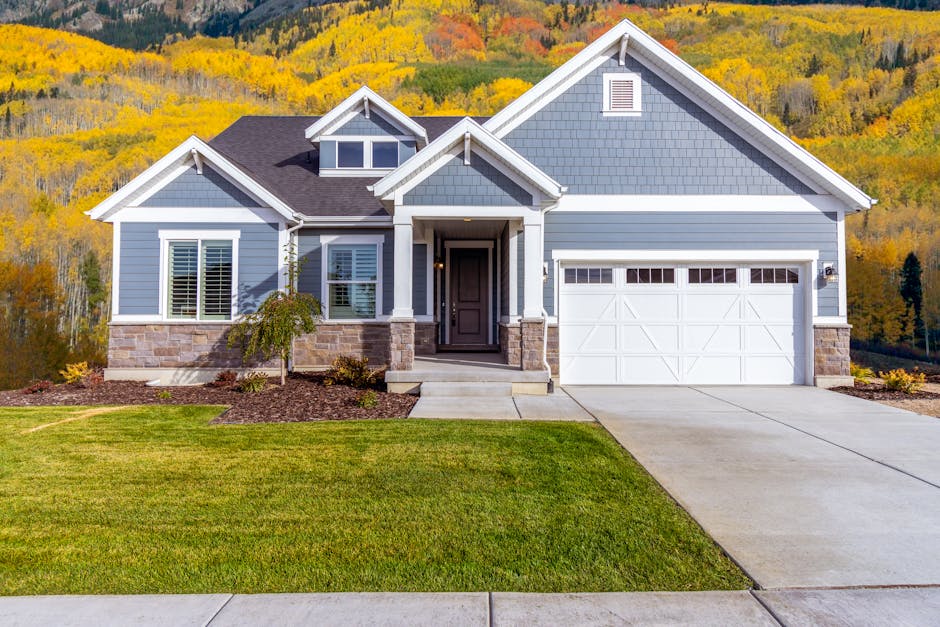
Inheriting a house is rarely just a real-estate decision. It usually arrives in the middle of grief, family phone calls, and a stack of paperwork no one asked for. If a parent or loved one left you a home in Will County — maybe in Joliet, Plainfield, Bolingbrook, New Lenox, or one of the quieter townships out toward Wilmington and Manhattan — you're allowed to take this one step at a time. This guide walks through how selling an inherited house in Will County actually works: your options, how probate affects the timing, what it means for taxes at a high level, and the practical local steps. We're not a law firm, and nothing here is legal or tax advice — but our goal is to give you a clear, honest map so the next decision feels a little easier.
First, take a breath: you have real options
When people picture selling an inherited home, they often jump straight to "list it with an agent." That's one good path, but it isn't the only one, and the right choice depends on the home's condition, your timeline, and whether you live nearby.
Broadly, you have two directions:
- Sell it as-is. If the home needs work — a dated kitchen, a roof at the end of its life, decades of belongings still inside — selling as-is means you don't pour money or weekends into repairs. You accept the home in its current state and skip the staging, showings, and contractor headaches. This is often the right fit for out-of-state heirs or families who simply want a clean, hands-off resolution.
- List it on the open market. If the home is in reasonable shape and you have the time (and ideally someone local to manage it), listing with a Will County agent can earn the highest sale price. You'll handle cleanout, possibly some light repairs, photos, showings, and a typical 30–60 day path from listing to closing.
There's no universally "correct" answer. A move-in-ready ranch in New Lenox lists beautifully. A house full of fifty years of memories in an older Joliet neighborhood, with you living three states away, may be far less stressful to sell as-is. Our job is to lay out both honestly — you can read more about how we help on our selling an inherited house page.
Can you sell before or during probate?
This is the question almost every Will County heir asks first, and the honest answer is: it depends on how the property is titled and whether probate is required.
Probate is the court-supervised process for settling an estate. In Will County, that happens through the 12th Judicial Circuit Court, with the courthouse in downtown Joliet at 100 W. Jefferson Street. If the home passed automatically — for example, through a living trust, or to a surviving joint owner, or by a recorded transfer-on-death instrument — you may be able to sell without a full probate case at all. In those situations, title can transfer relatively cleanly, and a sale can move forward once the paperwork is in order.
If the home was owned solely by the person who passed and there was no trust or transfer-on-death deed, the estate usually needs to go through probate before clear title can be conveyed to a buyer. The good news is that you can often list and even go under contract while probate is underway — you simply can't close and hand over a clean deed until the court authorizes the executor or administrator to sell. Many Will County estates sell on exactly this timeline.
Because every estate is different, this is one of those moments to confirm the specifics with your own attorney. Whether probate is required, and what type, turns on details we can't see from the outside. We can help you understand the general path and coordinate the pieces — you can learn more on our probate help page — but the legal determination belongs with counsel.
What this means for taxes (the high-level version)
Taxes are where a lot of well-meaning advice online gets people worried for no reason. Here's the calm, high-level picture for most Illinois families — and please confirm your own situation with a CPA or attorney.
- Step-up in basis. When you inherit a home, its tax "basis" generally resets to its fair market value on the date the previous owner passed away. In plain terms: if you sell it for roughly what it's worth now, your taxable gain is often small or nothing — even if the home was bought for a fraction of today's value decades ago. This is one of the most heir-friendly rules in the tax code.
- Illinois estate tax. Illinois does have a state estate tax, but it only applies to estates above a fairly high threshold. The large majority of family homes in Will County fall well under it, so most heirs never owe Illinois estate tax at all.
- No federal inheritance tax. There is no federal "inheritance tax" you pay just for receiving the home.
- Property taxes still run. While the estate is being settled, the Will County property tax bill keeps coming due through the Treasurer's office. Keeping those current protects the home's value and avoids penalties.
None of this is tax advice — it's a sketch of the landscape so you're not blindsided. A short call with a tax professional can confirm your step-up value and put any worries to rest.
What affects an inherited home's value in Will County
Will County has been one of Illinois's fastest-growing areas for a reason, and that growth shapes what your inherited home is worth. A few local realities to keep in mind:
- Location within the county matters a lot. Newer-growth communities like Plainfield, New Lenox, and parts of Bolingbrook tend to draw strong retail-buyer demand. Older Joliet neighborhoods vary block by block. Rural townships price differently again.
- Condition versus comparable sales. A buyer compares your home to others that recently sold nearby. Honest comparable sales — not a hoped-for number — set the realistic range, whether you list or sell as-is.
- Schools, commute, and access. Proximity to Metra service, I-55, I-80, and well-regarded school districts can meaningfully lift demand in family-heavy suburbs.
- Deferred maintenance. Inherited homes are often loved but tired. Knowing roughly what repairs would cost helps you weigh as-is versus listed without guessing.
We do real local homework on every Will County home we look at — pulling honest comparable sales and an as-is estimate — so you can decide from facts, not pressure.
When more than one heir is involved
Many inherited homes in Will County go to several siblings or relatives at once, and that's where good communication matters most. A few things that keep multiple-heir sales calm:
- Everyone on title generally has to agree to sell. If the home passed to several heirs jointly, a clean sale usually needs all of them to sign. If it's moving through probate, the executor or administrator the court appoints typically signs on behalf of the estate.
- Decide the "as-is versus listed" question together early. One heir wanting top dollar and another wanting it done quickly is the most common source of friction — naming that out loud first prevents months of stalemate.
- Proceeds are split per the will or Illinois law. How the money divides is set by the will, the trust, or intestacy rules — confirm the split with the attorney handling the estate so there are no surprises at closing.
If the house also needs to be emptied before it can sell — and most do — coordinating a respectful estate cleanout can take a huge weight off a grieving family, especially when heirs live far apart.
The practical steps to sell, in order
- Confirm how the home is titled and whether probate is needed. This is step one and a question for your attorney. It determines who can sign.
- Gather the basics. Property address and PIN, the most recent Will County tax bill, any mortgage statements, and the death certificate.
- Get an honest value picture. Comparable sales plus an as-is estimate, so you can compare listing versus selling as-is on real numbers.
- Handle the contents. Sort what matters, donate or clear the rest, and get the home ready for whichever path you choose.
- Choose your path and go to contract. List with an agent, or sell as-is to a buyer who takes it in current condition.
- Close and record the deed. At closing, the appropriate deed — often an executor's, administrator's, or trustee's deed — is signed and recorded with the Will County Recorder of Deeds (Karen A. Stukel's office, 158 N. Scott Street in Joliet). Recording is what makes the transfer official.
Frequently asked questions
How long does it take to sell an inherited house in Will County?
If the home passed through a trust or to a surviving owner, a sale can move on a normal timeline — often 30–60 days once you're ready. If probate is required, the court process adds time, though you can frequently list and go under contract while it's underway and close once the executor or administrator is authorized to sell.
Do all the heirs have to agree to sell?
Generally, yes — if the home passed jointly to several heirs, a clean sale typically needs everyone on title to sign. If the estate is in probate, the court-appointed executor or administrator usually signs on the estate's behalf. Confirm exactly who has authority with the attorney handling the estate.
Will I owe a lot in taxes when I sell?
For most families, no. Inherited homes generally get a step-up in basis to their value on the date of death, so selling near current value often means little or no taxable gain. Most Will County estates fall under the Illinois estate tax threshold too. This isn't tax advice — confirm your specifics with a CPA.
Can I sell the house as-is without fixing anything?
Yes. Selling as-is means a buyer takes the home in its current condition — no repairs, staging, or showings on your end. It's a common choice for out-of-area heirs or homes that need significant work, and it's often the lower-stress path. Listing on the open market may earn more if the home is in good shape and you have time to manage it.
A no-pressure next step
There's no rush and no obligation here. If it would help to talk through your specific Will County home — what it's likely worth as-is, whether listing makes more sense, and how the timing fits your family — we're glad to walk you through it at your pace. You can also start with our Will County inherited property page to see how we help families across Joliet, Plainfield, Bolingbrook, New Lenox, and the surrounding communities. Whenever you're ready, we'll do the real homework and lay out your honest options.
Please note: Sell My Inherited Home, by Probate Professionals of America, LLC, is not a law firm, and this guide is not legal or tax advice. Please confirm the specifics of your situation with your own attorney or tax professional.
Related guides
- Selling an Inherited House in Kane County, IL: A Guide
- Selling an Inherited House in Lake County, IL: A Guide
- What to Do With Your Parents' House in Will County, IL