Inherited a House in Illinois? Here's What to Do Next
📘 Part of Inheriting a House in Illinois: The Complete Guide
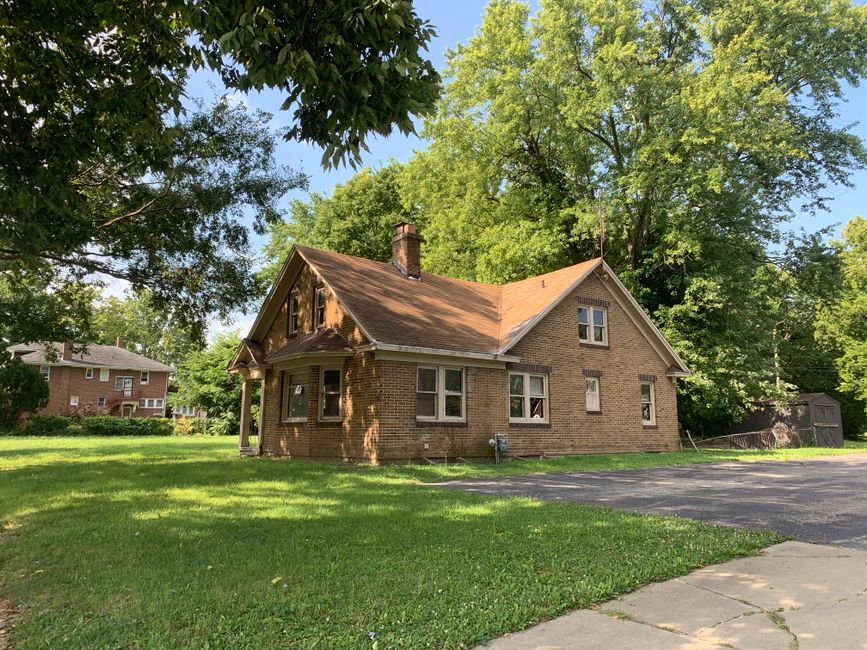
You Just Inherited a House in Illinois — Take a Breath First
Losing someone you love is hard enough without immediately facing a stack of legal paperwork, property decisions, and family conversations you weren't prepared to have. If you've recently inherited a house in Illinois, you are not alone — and you don't have to figure this out all at once.
This guide is written for heirs and executors who need a clear, honest overview of what comes next. We'll walk you through the Illinois probate process, your realistic options for the property, and how to take things one step at a time. Nothing here is legal or tax advice — for that, you'll want a licensed Illinois attorney and a CPA — but this is a solid starting point to help you understand the landscape.
Step 1: Understand Whether Probate Is Required in Illinois
The first question most families face after inheriting property is whether the estate must go through probate — the court-supervised process of settling a deceased person's affairs. In Illinois, probate is governed by the Illinois Probate Act of 1975 (755 ILCS 5), and whether it applies depends largely on how the property was titled and the total value of the estate.
When probate is typically required
If the home was titled solely in the name of the person who passed away, and it was not held in a trust, the estate will generally need to go through probate before the property can be transferred or sold. In Cook County and the surrounding collar counties, probate cases are filed in the Circuit Court's probate division.
When probate may be avoided
- Living trusts: If the deceased placed the home in a revocable living trust, the property transfers to beneficiaries outside of probate entirely.
- Joint tenancy with right of survivorship: If you were a co-owner with the right of survivorship, the property passes to you directly upon death.
- Transfer-on-death instruments: Illinois law allows homeowners to record a transfer-on-death deed (also called a real estate transfer on death instrument) that names a beneficiary directly.
- Small-estate affidavit: If the total gross value of the estate's personal property is $100,000 or less and there is no real estate titled solely in the decedent's name, heirs may be able to use a small-estate affidavit to collect assets without a full probate proceeding.
If you're unsure which category applies to your situation, an Illinois probate attorney can review the deed and estate documents and advise you accordingly.
Step 2: Get Organized — These Documents Matter
Whether or not a formal probate case is needed, gathering key documents early will save you significant time and stress. As you take stock of the estate, look for:
- The original deed to the property (check the Cook County Recorder of Deeds or your county's equivalent if you can't locate it)
- The Last Will and Testament, if one exists
- Any trust documents
- Recent mortgage statements or loan documents
- Property tax records and any outstanding bills
- Homeowner's insurance policy
- A recent utility bill to confirm current service status
If a probate case is opened, the appointed executor (named in the will) or administrator (appointed by the court if there is no will) will receive Letters of Office — the legal document issued by the Circuit Court that authorizes them to act on behalf of the estate. Banks, title companies, and real estate professionals will ask for this document, so request several certified copies early in the process.
Step 3: Secure and Maintain the Property
Whether the estate transition takes three months or a year, the inherited property needs to be protected throughout the process. This is especially important for out-of-state heirs who cannot check on the home regularly.
- Confirm the homeowner's insurance is active and notify the insurer of the change in occupancy status
- Make sure utilities are maintained — particularly heat during an Illinois winter — to prevent pipe damage
- Secure the property: change locks if necessary and ensure windows and doors are intact
- Continue paying the mortgage, property taxes, and HOA dues if applicable — these obligations don't pause during probate
- Document the condition of the home with photos as early as possible
If managing the property from a distance feels overwhelming, there are coordinated support services specifically designed for families in this situation. You shouldn't have to handle property maintenance, estate logistics, and grief all at the same time.
Step 4: Understand Your Options for the Inherited Property
Once the legal pathway is clear, families generally face three main options for an inherited house in Illinois. There is no single right answer — the best choice depends on your family's financial situation, timeline, and what all the heirs agree upon.
Option 1: Keep the property
Some heirs choose to move into the home, use it as a rental property, or hold it for sentimental reasons. If you plan to keep the property, you'll want to retitle it in your name (or the names of all heirs), review the mortgage terms with the lender, and consult a CPA about the IRS stepped-up cost basis rules — which can significantly reduce capital gains tax exposure if you eventually sell. This is a meaningful tax consideration that your accountant can walk you through.
Option 2: Rent the property
Turning the inherited home into a rental can generate ongoing income, but it also brings landlord responsibilities: property management, maintenance, tenant screening, and Illinois landlord-tenant law compliance. For out-of-state heirs especially, this option requires honest planning about bandwidth and resources.
Option 3: Sell the property
Many families ultimately decide that selling the home is the most practical path — allowing them to distribute proceeds among heirs, close the estate, and move forward. An inherited property sale through a licensed real estate professional familiar with estate transactions can be a smooth, respectful process. When all heirs are aligned and the executor has proper authority (Letters of Office), a sale can proceed in an orderly, transparent way that honors everyone involved.
At Sell My Inherited Home, we specialize in supporting families through exactly this kind of estate transition — connecting you with the right professionals, coordinating the moving parts, and making sure you always understand your options. There is no pressure and no rush. Our role is to walk alongside your family at your pace.
A Note on Illinois Property Taxes During Estate Transitions
Illinois has some of the highest property tax rates in the country, and inherited properties are not exempt from ongoing tax obligations. Cook County property taxes are paid in arrears and in two installments, so it's important to identify any outstanding tax balance early. Some estates carry delinquent property taxes that must be resolved before a clean title can be transferred. A title company experienced in estate sales can help surface these issues early in the process.
Frequently Asked Questions
How long does probate take in Illinois?
A straightforward Illinois probate case typically takes between nine and twelve months, though more complex estates — or those involving disputes among heirs — can take longer. The timeline begins when the executor or administrator files the petition with the Circuit Court and receives Letters of Office. Working with an experienced Illinois probate attorney and staying organized with paperwork can help keep the process on track.
Do all heirs have to agree to sell an inherited house in Illinois?
If the property is jointly inherited by multiple heirs, all owners generally must agree to a sale for it to proceed voluntarily. If heirs cannot reach agreement, one party may petition the court for a partition action, which can result in a court-ordered sale of the property. This is a situation where early, open family communication — and sometimes a neutral facilitator — can prevent a costly legal process. An attorney can advise on the specific rights of each heir under Illinois law.
What is the stepped-up cost basis, and why does it matter for inherited property?
When you inherit a house, the IRS generally allows you to reset the property's cost basis to its fair market value at the date of the original owner's death, rather than what they originally paid for it. This is called a stepped-up cost basis. If you later sell the home, you may only owe capital gains tax on appreciation above that stepped-up value — which can result in significant tax savings compared to if you had received the home as a gift. Because tax rules are nuanced and can change, please consult a licensed CPA or tax professional for advice specific to your situation.
You Don't Have to Navigate This Alone
If you've inherited a house in Illinois and aren't sure where to start, we'd be glad to have a calm, no-obligation conversation about your family's situation. At Sell My Inherited Home, our team understands the emotional and logistical weight of an estate transition — and we're here to offer coordinated support, honest information, and a clear path forward, at whatever pace works for your family. Reach out to us here whenever you're ready.
Important disclosure: Sell My Inherited Home (Probate Professionals of America, LLC) is not a law firm and does not provide legal, tax, or financial advice. The information in this article is intended for general educational purposes only. Please consult a licensed Illinois attorney and a qualified tax professional for guidance specific to your estate and circumstances.
Related guides
- How to Transfer a Deed After Inheriting a House in Illinois
- Keep, Rent, or Sell Inherited Property: Your Guide
- Out of State Inherited Property: A Step-by-Step Guide