Inherit a House With No Will in Illinois: What to Know
📘 Part of Inheriting a House in Illinois: The Complete Guide
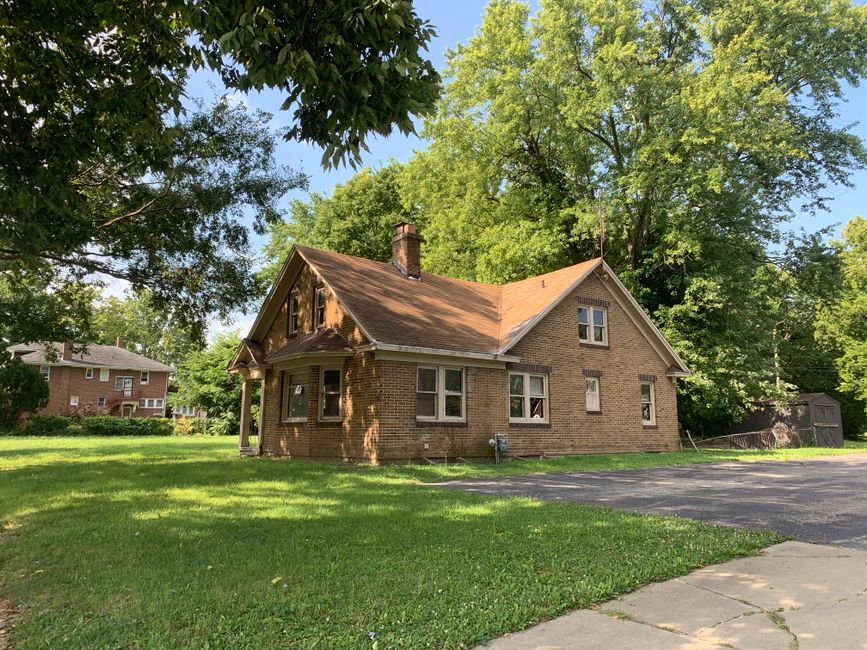
When There Is No Will, There Is Still a Path Forward
Losing someone you love is hard enough. Discovering there is no will — and that you are now responsible for a house you may never have expected to inherit — can feel like an impossible weight to carry, especially from out of state. You are not alone in this situation, and there is a clear, well-established legal process in Illinois designed to protect families exactly like yours.
If you need to inherit a house with no will in Illinois, the process is governed by a body of law called intestate succession. Understanding how it works — and what your options are at each stage — can turn an overwhelming situation into a manageable one, one step at a time.
What "No Will" Means Legally: Intestate Succession in Illinois
When a person dies without a valid will, they are said to have died intestate. In Illinois, the rules for who inherits property in that situation are spelled out in the Illinois Probate Act of 1975 (755 ILCS 5). Rather than following the deceased person's wishes (which were never written down), the court follows a fixed order of priority called the intestate succession ladder.
Here is how Illinois law generally distributes an estate when there is no will:
- Spouse and children both survive: The spouse receives half; the children share the other half equally.
- Children survive, no spouse: Children inherit everything in equal shares.
- Spouse survives, no descendants: The spouse inherits the entire estate.
- No spouse, no children: The estate passes to parents, then siblings, then more distant relatives in a defined order.
- No surviving relatives: In rare cases, the estate escheats — meaning it passes — to the State of Illinois.
It is important to understand that these rules apply to probate assets. Property held in a living trust, accounts with a named beneficiary, or real estate held in joint tenancy with right of survivorship may pass outside of probate entirely, regardless of whether a will exists.
Does an Inherited House Without a Will Always Go Through Probate?
Not necessarily — but in most cases involving Illinois real estate, the answer is yes. The Cook County Circuit Court (and each county's circuit court probate division throughout Illinois) oversees the formal administration of estates that include real property.
However, Illinois does offer one important shortcut for smaller estates: the small-estate affidavit. If the total value of the probate estate — not counting real estate — is $100,000 or less, heirs may be able to collect certain assets without opening a full probate case. Unfortunately, this threshold generally does not transfer title to real estate on its own. For a house, formal probate is almost always required when there is no will and no other legal mechanism (like a trust or transfer-on-death instrument) already in place.
Step-by-Step: How Probate Works Without a Will in Illinois
The absence of a will does not eliminate probate — it changes who is in charge of it. Here is a general overview of the process your family can expect:
Step 1: File a Petition With the Circuit Court
An interested party — typically a close family member — files a petition with the probate division of the circuit court in the county where the deceased person lived. In the Chicago metro area, that is usually Cook, DuPage, Lake, Will, or Kane County. The court will appoint an administrator (the equivalent of an executor when there is no will) to manage the estate.
Step 2: Receive Letters of Office
Once appointed, the administrator receives a court document called Letters of Office. This is the legal authority that allows them to act on behalf of the estate — opening accounts, communicating with creditors, and eventually transferring or selling real property. Without Letters of Office, no one has legal authority to touch the house.
Step 3: Inventory the Estate and Notify Creditors
The administrator must identify and value all estate assets, including the inherited property, and formally notify known creditors. Illinois law gives creditors a window to make claims against the estate. Outstanding debts — including a mortgage, property taxes, or liens — must generally be resolved before the house can be transferred to heirs.
Step 4: Clear Title and Transfer the Property
Once debts are addressed and the court approves distribution, the administrator can transfer clear title to the heirs through a court-supervised process. This typically involves recording a new deed. At this point, the heirs legally own the property and can decide what to do with it.
Your Options Once You Inherit the Property
Owning an inherited property — especially one you did not plan for — comes with real decisions. There is no single right answer, and the best path depends on your family's financial situation, the condition of the property, and how multiple heirs may feel about it. Common options include:
- Keep and move in: If the property is in good condition and location suits your life, one heir may choose to buy out the others and take ownership.
- Rent the property: Holding the home as a rental can generate income while the family takes time to decide on a longer-term plan.
- List on the open market: A traditional real estate sale with a licensed agent is often the right choice when the home has been maintained and the market is favorable.
- Coordinate a private sale: Some families prefer a more private, less disruptive transition, particularly when the property needs work or heirs want to avoid a lengthy listing process.
- Partition action: If co-heirs cannot agree, any heir can petition the court for a partition — a legal process that forces a resolution, though it can be costly and contentious.
One important financial consideration: inherited property typically receives a stepped-up cost basis under IRS rules, meaning the cost basis is reset to the fair market value at the date of death. This can significantly reduce capital gains exposure if the property is later sold. Please speak with a qualified tax professional about how this applies to your specific situation — we are not a law firm or accounting firm and this is not tax advice.
What Makes Illinois Probate Without a Will More Complex
A few factors can add layers of complexity to an intestate estate in Illinois:
- Multiple heirs with different goals — siblings who disagree about whether to sell, rent, or keep a family home is one of the most common sources of estate conflict.
- Out-of-state heirs — managing a Cook County probate proceeding from another state adds logistical challenges around court appearances, property maintenance, and local coordination.
- Property in disrepair — an estate that has been vacant or neglected may face code violations, deferred maintenance costs, or title complications that need to be addressed before or during the sale process.
- Unknown heirs — without a will, the court may require a diligent search for all potential heirs, which can slow the process.
- Back taxes or liens — unpaid property taxes or outstanding liens must be resolved as part of estate administration.
Frequently Asked Questions
How long does probate take in Illinois when there is no will?
Illinois probate timelines vary, but an intestate estate involving real property typically takes anywhere from six months to over a year to fully administer. Factors that influence the timeline include the complexity of the estate, the number of heirs, whether creditors make claims, and how quickly the court's probate docket moves in your county. Cook County's probate division tends to have higher case volume than smaller collar counties, which can affect scheduling.
Can an heir sell an inherited house before probate is complete in Illinois?
Generally, no. Until the probate court formally transfers title and the administrator has legal authority through Letters of Office, no one has the right to sell the property. Attempting to transfer or sell real estate without going through the proper court process can create serious title problems that affect future buyers and lenders. There are some limited exceptions involving court-approved sales during administration, but these still require court oversight.
What if I am an out-of-state heir dealing with an Illinois probate property?
Being out of state does not disqualify you from serving as the estate administrator, though some Illinois courts may require a local registered agent or co-administrator. Many out-of-state heirs find that having a coordinated local team — including a probate attorney, a real estate professional familiar with inherited properties, and a property caretaker — makes the process significantly less stressful. You do not have to manage every detail from a distance on your own.
You Do Not Have to Figure This Out Alone
Navigating an inherited property in Illinois without a will is a process with real legal structure behind it — and with the right guidance, it is entirely manageable. At Sell My Inherited Home, we work alongside families and estate administrators throughout the Chicagoland area to provide coordinated support at every stage of the estate transition. Whether you are just beginning to understand your options or you are ready to take a next step with the property, we are here to listen — without pressure, without judgment, and at your pace.
Reach out to our team today for a no-obligation conversation about your family's inherited property. We will help you understand where you stand and what options are available to you.
Important notice: Sell My Inherited Home (Probate Professionals of America, LLC) is not a law firm and does not provide legal, tax, or financial advice. The information in this article is intended for general educational purposes only. Please consult a licensed Illinois probate attorney and a qualified tax professional regarding your specific situation.
Related guides
- Medicaid Estate Recovery Illinois: What Heirs Need to Know
- Inherited Rental Property in Illinois: Keep It or Sell It?
- Inherited Hoarder House: A Calm Step-by-Step Guide